
Here’s Why Cheap Memory is Gone Forever
The pricing of hardware-based memory has exploded over the last 6-8 months, and with all manufacturing capabilities used up until the end of 2027, is this long-term pain set to last?
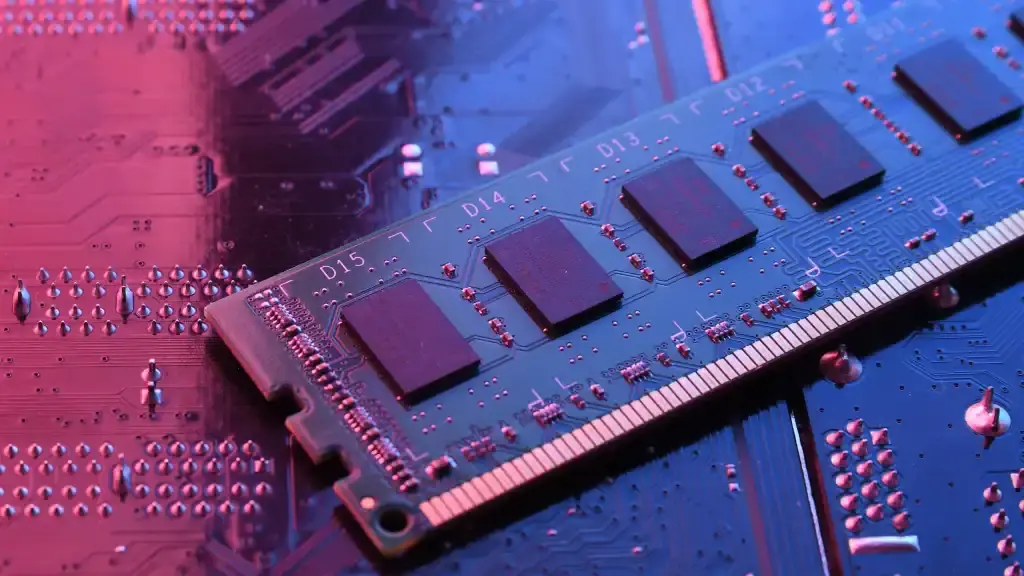
When you think of hardware, you think of the latest processor or graphics card. Memory, for the most part, wasn’t as much of a priority. Memory sticks were cheap and accessible, so it just didn’t really matter. Well, until the RAM Armageddon.
Now it’s the opposite; with an estimated 500% increase in pricing and the supply chain collapsing, it has turned into a modern-day gold rush to find the cheapest product you can, wherever you can.
“So what happened?”
The memory collapse didn’t metaphorically shit the bed overnight; no, this has been brewing under a much more controversial issue that plagues all of us: AI.
AI needs datacentres, and data centres use a lot of high-bandwidth memory. All the manufacturers started moving away from consumer-grade products to producing exclusively for datacentres. Consumer DDR5 RAM (the latest version) was then in short supply, causing prices to rise dramatically. This has also affected older types as well as the second-hand market. On top of this, manufacturers are deliberately restricting the small supply they have to maintain these higher margins, quite literally having their cake and eating it too.
Whilst retail prices have stabilised, it’s highly unlikely that these prices will ever drop. We see this all the time. Companies grift their way through manufactured crises, and the punters pay the price. Won’t someone think of the shareholders? I digress. The regular consumer cannot afford to absorb these price increases, and as long as AI demand stays as strong as it is from these blood-leeching scumbag companies, there is no incentive to ever revert to what existed just last year.
“You sound a bit dramatic; why should I care?”
The one misconception people may have about memory hardware is its prevalent use in everyday life. It’s not just used for gaming consoles and computers; no, it’s a foundational component across almost every modern digital system.
Every consumer device you can think of, such as a laptop, smartphone, smart television, and wearables such as an Apple Watch, all use the same components and will feel the same pressures. Not only that, but think about the average modern car, which is full of smart entertainment systems. Then there are networking devices such as routers and switches or base stations. Not to mention robotics, smart home devices, cameras or even medical devices. The cost shock ripples to every corner of modern, functional society.
There is a lag at the moment when it comes to price increases, but it is happening. Gaming consoles and components for PCs were the first victims of these pricing increases, but everything else is slowly following suit. Smartphones, TVs and other hardware are all seeing an increase, albeit not as dramatic, but still there.
The worst thing about all this is that as the costs increase associated with lack of supply and high demand, so will innovation. We will see fewer generations of new products with companies choosing to delay or scale back. I’ve already seen a brand-new laptop advertised with 4GB of memory. Yes, 4GB of memory in 2026.
The cherry on top of this, though, your subscription to whatever service you use, be it cloud-based or whatnot, will see an increase in pricing, and there is no way out of it.
We are up against trillion-dollar companies- Microsoft, Meta, Amazon and Google- who have swollen the entire demand, and it seems to be a losing battle. As the old saying goes, pigs get fat, hogs get slaughtered. We can only hope their unyielding greed will be their own ruin.